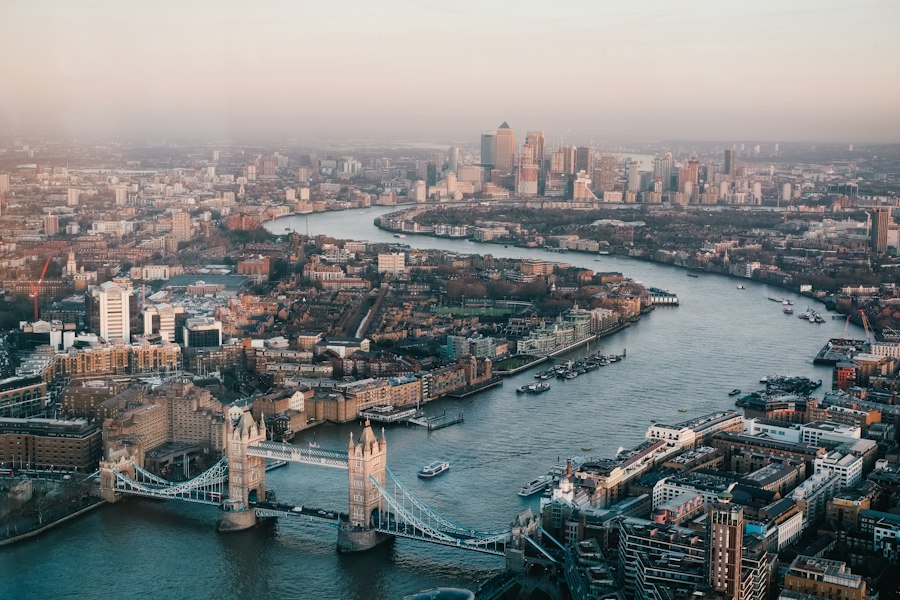
The popular narrative about London being eye-wateringly expensive is true in some respects and misleading in others. Transport and accommodation are genuinely costly. But the cultural offer — museums, galleries, parks, markets, architecture, street performance — is available for free at a scale unmatched by any other city in Europe. National museums funded by central government charge nothing for entry. Royal parks are open 24 hours. The Thames Path offers miles of riverside walking without a ticket gate in sight.
What separates a good free London day from an expensive one is usually planning — specifically, knowing which free options are genuinely good rather than merely free, and avoiding the drift toward tourist restaurants and convenient shops that can rapidly inflate a day that started with no budget in mind.
| Area | Free attraction | Best time to visit | Nearest tube | Time needed (hrs) |
|---|---|---|---|---|
| South Kensington | Natural History Museum | Weekday mornings; avoid school holidays | South Kensington | 2–4 |
| Covent Garden | Street performers, Apple Market, transport museum exterior | Weekend afternoons; performers typically noon–6pm | Covent Garden | 1–2 |
| Greenwich | Royal Observatory grounds, Cutty Sark exterior, Greenwich Park | Weekday mornings; park is spectacular in clear weather | Cutty Sark (DLR) or ferry from Embankment | 2–3 |
| Bankside | Tate Modern (permanent collection) | Friday evenings (open until 22:00); weekday afternoons | Southwark or Blackfriars | 2–4 |
| Borough | Borough Market (free to wander; food stalls from £) | Wednesday to Friday mornings (smaller, less crowded) | London Bridge | 1–2 |
| Hampstead | Hampstead Heath, Parliament Hill viewpoint, bathing ponds | Early mornings; autumn for foliage; summer for swimming (free) | Hampstead or Belsize Park | 2–4 |
| South Kensington | Victoria & Albert Museum (permanent collection) | Weekday mornings; late Friday opening | South Kensington | 2–4 |
| Southbank | Free events, BFI screenings, Underbelly Festival (some free) | Evenings and weekends; check BFI and Southbank website | Waterloo or Embankment | 1–3 |
| Bethnal Green | Columbia Road Flower Market | Sunday mornings only, 8am–3pm; arrive early for atmosphere | Hoxton (Overground) or Bethnal Green | 1–2 |
Parks Worth More Than a Day
London's Royal Parks are managed by a government agency and are free to enter at almost all times. Hyde Park, Kensington Gardens, Regent's Park, Greenwich Park and Richmond Park collectively offer hundreds of acres of green space, wildlife, ponds, gardens and views. Richmond Park is the largest and arguably the most extraordinary: 2,500 acres of ancient parkland within the Greater London boundary, home to over 600 red and fallow deer that roam freely, a fact that consistently surprises visitors who have not been before.
Hampstead Heath is not technically a Royal Park but is managed by the City of London Corporation and is equally free. Its three open-air bathing ponds — one mixed, one women's, one men's — are free to use during the summer months and attract a dedicated community of year-round swimmers. Parliament Hill at the southern edge of the Heath offers the best elevated view of the London skyline accessible without an entry fee.
- Arrive at major museums when they open — the Natural History Museum and V&A are significantly less crowded in the first 90 minutes of the day.
- Visit during school term time. School holiday crowds at South Kensington museums can triple queuing times.
- Columbia Road Flower Market is best before 10am — arrive at 8am for the full atmosphere and the best selection before it gets congested.
- Tate Modern's permanent collection on the upper floors is typically far less busy than the ground-floor special exhibitions (which usually require tickets).
- Greenwich is best reached by ferry from Embankment or by DLR from Bank — the journey is itself free with an Oyster or contactless card and the Thames approach is spectacular.
Free Events and Open Houses
London has a well-developed calendar of free events that are worth planning around. The Open House festival in September opens hundreds of architecturally significant buildings that are normally closed to the public — office towers, private clubs, historic houses, engineering infrastructure — for free self-guided or ticketed-but-free tours. It is one of the best single events in the London cultural calendar and requires no more than a willingness to queue for popular buildings.
The BFI (British Film Institute) on the Southbank runs regular free outdoor screenings on its riverside terrace during summer months, and the BFI Mediatheque in the building offers free access to its archive of British television and film. Somerset House runs a summer series of free courtyard events. The Barbican offers free exhibitions and courtyard performances alongside its ticketed programme.
Detailed Walking Route Guide: The following routes are designed for a full day with no transport spend beyond the initial Oyster card top-up. Route 1 — South Bank to Borough: Begin at Tate Modern (2 hours in the permanent collection), walk east along the Southbank to Borough Market (free to wander, sample tastings common), continue to the Thames Path toward Tower Bridge (free to cross on foot). Route 2 — Greenwich Circuit: Ferry from Embankment to Greenwich Pier (covered by Oyster), walk up through Greenwich Market to the Park, climb to the Royal Observatory viewpoint, descend through the park to the Cutty Sark and DLR station...
Continue Reading
Subscribe to Motownart for full access.