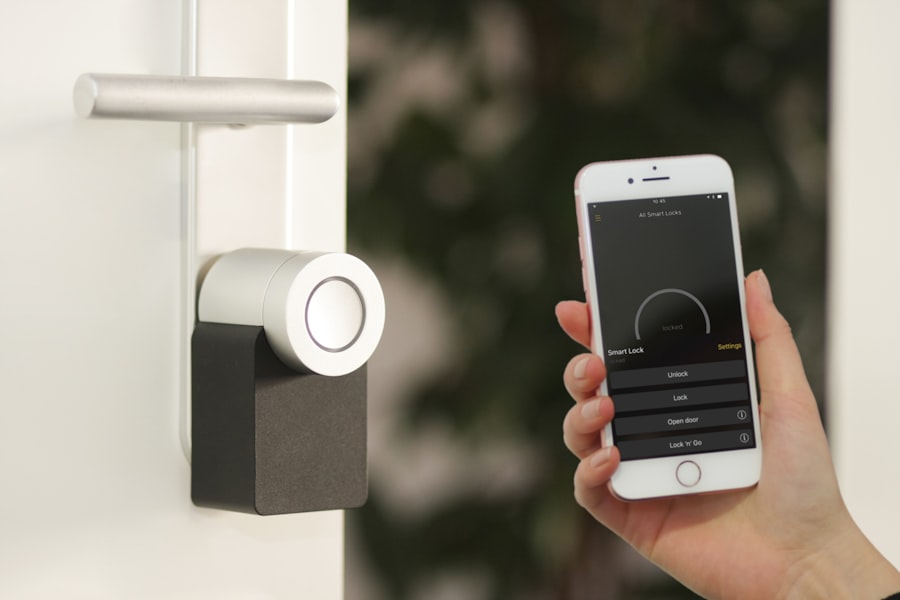
The UK smart home energy market has matured considerably since the first generation of smart thermostats launched in the early 2010s. Where once the choice was between a Nest and nothing, there are now dozens of products across every category — thermostats, radiator valves, smart plugs, LED lighting systems, immersion heater controllers and solar diverters. The marketing claims can be optimistic, but genuine savings are available to households that choose the right devices for their situation and actually change their behaviour in response to the data these devices provide.
The key word in that last sentence is "behaviour". A smart thermostat that is set up exactly like a conventional thermostat will not save money. The savings come from features like presence detection (turning heating down when no one is home), zone control (not heating rooms that are not being used), and better scheduling that reduces the long "warm-up" periods that are a legacy of older timer-based systems. Understanding this distinction helps filter genuine energy-saving devices from those that are primarily convenience tools.
| Device | Cost range | Setup difficulty (1–5) | Estimated annual saving | Works without a hub? | Best for |
|---|---|---|---|---|---|
| Smart thermostat (Nest, Hive, tado) | £100–£250 inc. installation | 3 (may need an installer for boiler compatibility) | £75–£150/year (well-used) | Yes (Wi-Fi direct) | Gas CH households; highest ROI of any smart device |
| Smart radiator valves (TRVs) | £30–£60 per valve; £150–£300 for a full house | 2 (screw-on replacement for standard TRVs) | £50–£120/year (room-level control) | Usually requires a hub (tado, Drayton Wiser) | Households with multiple unused rooms; flat/house with zoning needs |
| Smart plugs | £8–£20 each | 1 (plug in and pair with app) | £10–£40/year (standby reduction) | Yes (Wi-Fi direct) | Identifying and eliminating standby energy waste |
| Smart LED lighting | £10–£25 per bulb | 1–2 | £20–£60/year vs halogen (already minimal if using standard LED) | Some yes; Hue requires hub | Households still on halogen or incandescent; automation for occupancy |
| Smart meter (government scheme) | Free (supplied and installed by supplier) | 1 (engineer installs; no user effort) | £15–£35/year (behaviour change from visibility) | N/A (standalone device) | All households; no cost and useful data even if savings are modest |
| Immersion heater controller | £50–£150 | 3 (requires wiring; may need electrician) | £40–£100/year (if hot water use is significant) | Yes (Wi-Fi direct) | Households with electric hot water; good for solar panel owners |
| Solar diverter | £200–£600 installed | 4–5 (requires solar panels and electrician) | £100–£250/year (diverts excess solar to hot water) | Yes (standalone device) | Solar PV owners with an immersion heater; reduces export waste |
Which Upgrades Pay Back Fastest?
The smart thermostat delivers the fastest payback for the majority of UK homes with gas central heating. At a cost of £100–£250 installed and an estimated annual saving of £75–£150, a typical household recovers the cost in one to two years. The range of savings is wide because it depends heavily on how well the device's features are used — a smart thermostat on a simple schedule saves less than one using learning algorithms and presence detection. Nest's "learning" feature, tado's geofencing and Hive's scheduling flexibility are worth engaging with properly rather than setting and forgetting.
Smart radiator valves offer good value but only when used in conjunction with a smart thermostat. On their own, they can help reduce heating in rooms not in use, but the savings are smaller and the system is less joined-up. The best results come from combining a smart thermostat (controlling the boiler) with zone-level TRVs (controlling individual rooms) through a single integrated system such as tado or Drayton Wiser.
- Is your boiler compatible with the smart thermostat you are considering? Check the manufacturer's compatibility tool before purchasing — some older boilers require an additional adapter or are not compatible at all.
- Do you already have a smart meter? If not, request one from your supplier before adding smart plugs — the smart meter's in-home display gives you baseline data that makes all other devices more useful.
- How many rooms in your home do you regularly leave unheated? If the answer is zero, smart TRVs will save you less than in a household with one or two consistently unused rooms.
- Do you have solar panels? If yes, a solar diverter or smart immersion controller has a different, better financial case than for non-solar households.
- Will you actually engage with the app and scheduling features? If not, a programmable (non-smart) thermostat correctly scheduled will save almost as much at a fraction of the cost.
Common Setup Pitfalls and How to Avoid Them
The most common setup problem with smart thermostats is boiler compatibility. Older system boilers, some combination boilers and a minority of heat pump systems have wiring configurations that do not work with consumer smart thermostat kits without an additional interface. Always check the manufacturer's compatibility checker before purchasing, and consider using a professional installer for systems with anything other than standard two-wire configurations.
Smart radiator valves that are installed without the corresponding hub — bought as standalone units using a non-compatible app — frequently fail to integrate with the thermostat system and end up operating as expensive manual TRVs. Ensure the hub, valves and thermostat are from the same ecosystem or are explicitly certified as compatible before purchasing.
Getting a Rebate or Grant for Smart Home Tech: Several UK government and local authority schemes provide financial support for energy-efficiency upgrades that include smart controls as a qualifying component. The Great British Insulation Scheme and the Energy Company Obligation (ECO4) scheme primarily fund insulation and heating upgrades but can include smart controls as part of a broader package. Some energy suppliers offer subsidised or free smart thermostats to customers who meet certain criteria (typically being on certain benefits or having a low EPC-rated home). The Warm Home Discount provides a £150 credit on energy bills rather than a device subsidy, but it frees up funds that could be directed toward upgrades...
Continue Reading
Subscribe to Motownart for full access.